
There Is No Fixing This: Making Space for Grief
October Reflections: When there is no fix, we can still show up.

I've been struggling to find the right words this week.
Our community is grieving the devastating loss of children and a teacher following the Silver Rail Elementary shooting here in Bend. Others were injured, and countless lives have been forever changed. My heart is with the families, friends, students, educators, first responders, and everyone whose world has been shaken by this tragedy.
In the days since, I've watched our community come together in extraordinary ways. People are offering their time, professional services, food, gathering spaces, and whatever else they can. There is something deeply moving about witnessing people show up for one another, especially when there is so little anyone can say or do to make things better. And perhaps that's part of what I've been thinking about most.
We live in a culture that is remarkably good at identifying problems, developing plans, executing those plans, and moving on to the next thing. We are encouraged to be productive, resilient, solution-oriented, and efficient. When something goes wrong, we want to know what we can do to fix it. But what happens when there is no fix?
There is no plan that will bring these lives back. No amount of community support, therapy, advocacy, or time can undo what has happened. Some losses change us forever. That doesn't mean we are helpless, and it certainly doesn't mean that our actions don't matter. There is important work to be done in supporting those affected, caring for our community, and working toward a safer future.
But grief isn't a problem to solve. It is an experience to move through, sometimes moment by moment, without knowing what comes next.

Making Room for What Is Here
Grief is rarely tidy or predictable. It doesn't follow a schedule, and it doesn't always look like sadness.
Sometimes grief is anger. Sometimes it's fear, disbelief, exhaustion, or an overwhelming desire to do something. Sometimes it's a sudden wave of tears in the grocery store. Sometimes it's feeling strangely disconnected from everything around you. And sometimes it's laughter, gratitude, or a moment of joy that catches you off guard.
Our bodies experience grief, too. You might notice a heaviness in your chest, a tight jaw, difficulty sleeping, restlessness, or an unusual need for quiet. Your nervous system may feel on high alert, or you may find yourself feeling numb.
None of these responses means you're doing anything wrong.
One of the things I appreciate about somatic work is that it invites us to become curious about our experience rather than immediately trying to change it. What am I feeling right now? Where do I notice it in my body? What might I need in this moment? Maybe you need to cry. Maybe you need to yell. Maybe you need to go for a walk, make art, sit quietly with someone you love, or spend an afternoon doing something completely ordinary.
Maybe you don't know what you need yet. That's okay, too. We don't have to understand everything we're feeling in order to make room for it.

Between Numbness and Overwhelm
I think one of the challenges of living in our world today is the sheer amount of suffering we are exposed to. Tragedies continue to happen, often before we've had time to process the last one. It can become tempting to shut down, turn away, or convince ourselves that we simply can't care anymore.
And sometimes we do need to step away. Our nervous systems have limits, and taking a break from the news or choosing not to engage in every conversation can be an important form of care.
But I hope we don't grow cold.
I also hope we don't allow ourselves to become so consumed by grief that we lose our connection to the life happening around us.
Perhaps there is a place somewhere between those two extremes. A place where we can acknowledge suffering without being swallowed by it. Where we can remain openhearted without expecting ourselves to carry everything.
We can grieve and still laugh with a friend. We can feel afraid and still appreciate a beautiful sunset. We can be angry about what happened and grateful for the people showing up to help.
These experiences are not mutually exclusive. We don't have to choose between caring deeply and continuing to live.
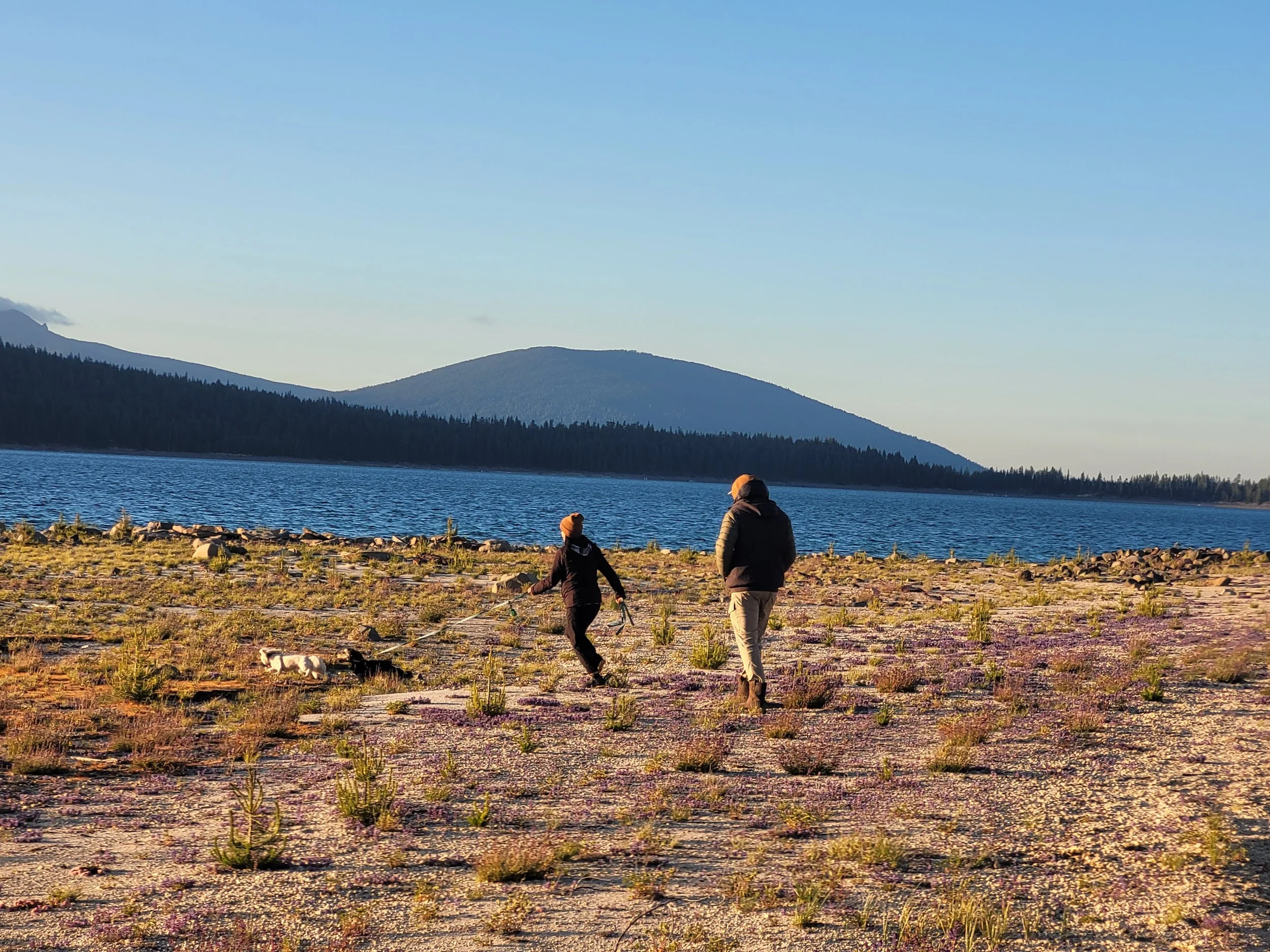
Grief Is Not One-Size-Fits-All
As I've watched people respond to this tragedy, I've been reminded that there are so many ways to express grief and love.
Some people organize. Some advocate. Some make art or music. Some bring food, donate money, offer professional support, or create spaces for people to gather. Some need to talk about what happened, while others need silence or time alone. Some people may not feel ready to do anything at all.
There is no single right way to grieve, and we don't need to measure our responses against one another.
We also don't have to agree on everything to care for one another. Our experiences, histories, values, and relationships to this tragedy will shape how we respond. We can make room for those differences while remembering the humanity we share.
One of the most meaningful things we can offer each other right now may simply be our presence. Not advice, not reassurance that everything will be okay, and not pressure to find a silver lining. Just a willingness to sit beside someone in something that cannot be fixed.

Meeting This Moment
I don't have a neat conclusion for this month's blog. It wouldn't feel appropriate.
I don't believe we need to find a lesson in every tragedy or turn every painful experience into an opportunity for growth. Sometimes something terrible happens, and it is simply terrible.
What we can do is continue to meet the moments that follow.
Gather. Share. Yell. Cry. Create. Advocate. Be silent. Rest. Reach out. Take space.
Notice what is here, what is real, and what needs to be acknowledged. And when the next moment comes, meet that one, too.
If you're struggling, please know that there are professionals, community organizations, and other resources available to support you. You don't have to navigate this alone, and you don't have to wait until things feel unbearable to ask for help.
This month, rather than offering a particular exercise or practice, I want to extend a simple invitation: Give yourself and the people around you permission to grieve in whatever ways they need.
Check in on someone.
Accept an invitation to gather.
Spend time outdoors.
Make something with your hands.
Ask for support.
Offer what you can.
Recognize when you need to rest.
There is no timeline for this. No expectation that we should be moving on by next week, next month, or next year.
We cannot undo what has happened. But we can keep showing up for ourselves and one another with whatever we have to offer.
One moment, and then the next.
If you're exploring what it means to know yourself more deeply, build self-trust, and make choices that feel aligned with your values and your body, therapy can be a supportive place to begin that work.