
Maybe
July Reflections: Learning to Live in the "Maybe" - A Lesson in Resilience
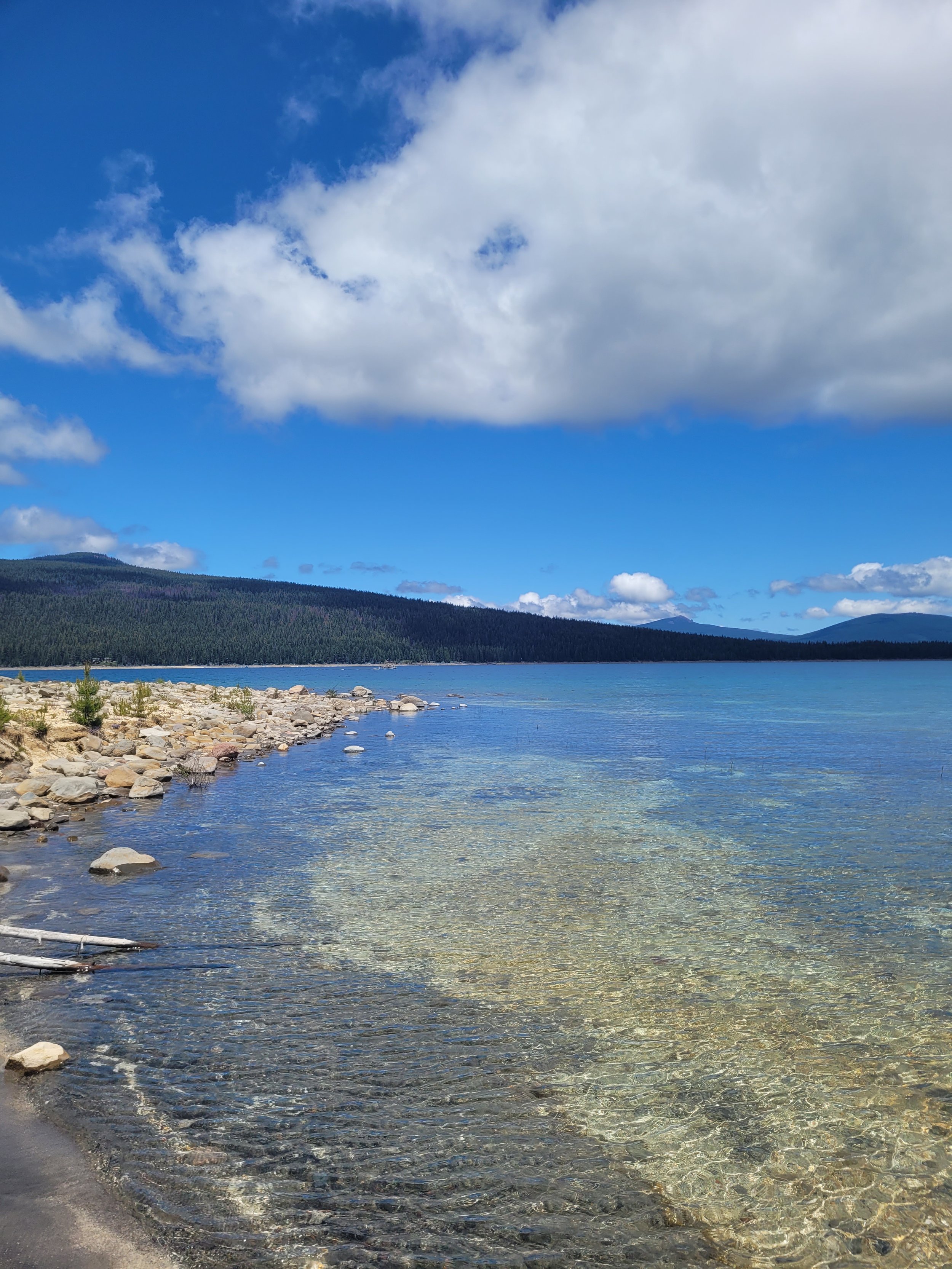
Lately, I've been thinking about an old Sufi story
A farmer's horse runs away. His neighbors gather around and say, "What terrible luck."
The farmer simply replies, "Maybe."
A few days later, the horse returns, bringing another wild horse with it.
"What wonderful luck!" the neighbors exclaim.
"Maybe."
Soon after, the farmer's son is thrown from the new horse and breaks his leg.
"What terrible luck."
"Maybe."
Then the country goes to war. Every young man in the village is drafted except for the farmer's son because of his injury.
"What wonderful luck."
"Maybe."
I love this story because it reminds me how quickly we rush to decide whether something is good or bad, hopeful or hopeless, success or failure. The truth is, we're almost always looking at one chapter while assuming we know the ending.
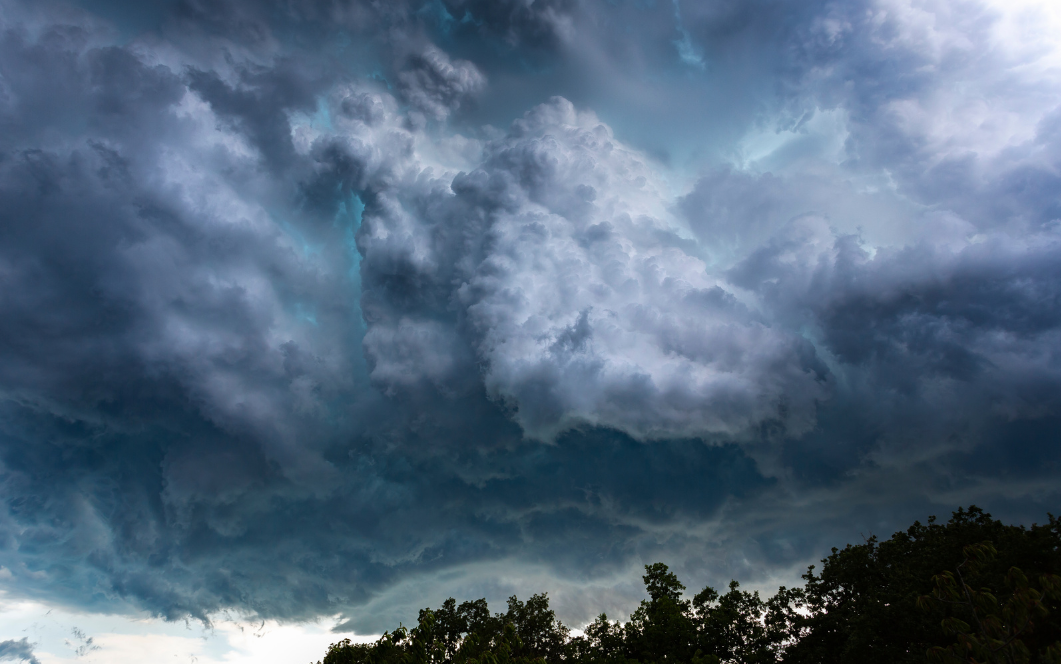
Recently, I've found myself thinking about this story whenever I read another headline about wildfires, flooding, extreme heat, or another species in decline. It can feel as though every day brings another reminder that the world is changing.
And it is.
I don't say that to be dramatic or pessimistic. I think it's simply true.
At the same time, I notice something happening inside myself. Part of me wants certainty. I want to know how this story ends. I want reassurance that we'll figure it out, or clarity if we won't.
But the truth is, none of us knows.
We don't know what discoveries are still ahead. We don't know what communities will come together in unexpected ways. We don't know what innovations, policies, or acts of collective courage may become turning points. We don't know which ecosystems will prove more resilient than we imagined, or which losses will change us forever.
Holding both of those realities is uncomfortable.
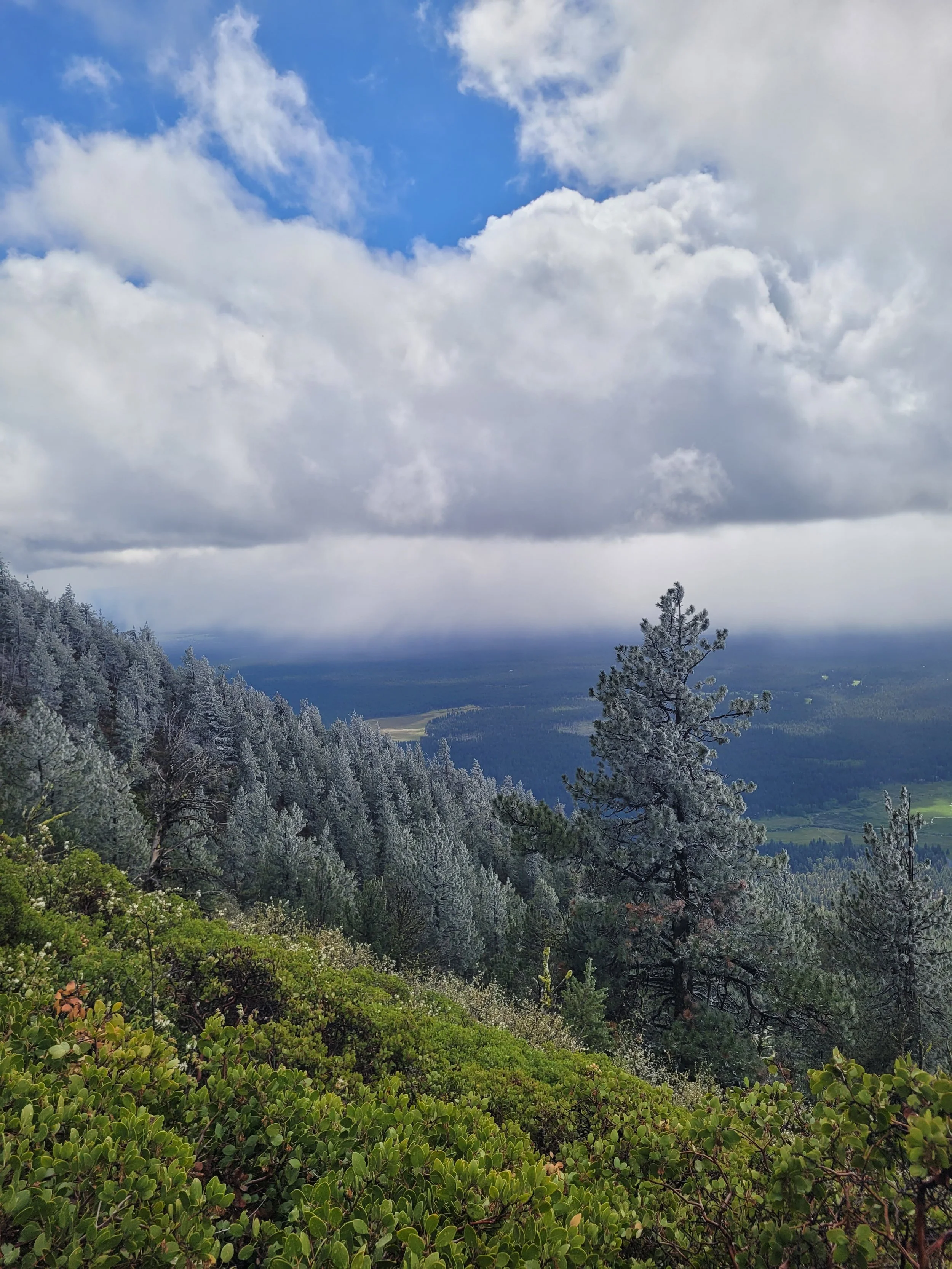
As humans, our brains are constantly trying to predict the future. It helps us stay safe. When the future feels uncertain, our nervous systems naturally search for certainty. We scan for answers. We imagine worst-case scenarios. We try to solve problems that don't yet have solutions.
Sometimes that's helpful.
Sometimes it just leaves us carrying the weight of a story that hasn't been written yet.
I also wonder if, in our search for certainty, we unintentionally skip over something important.
Grief.
When we think about grief, we usually think about the death of a loved one. But grief also appears when something meaningful changes. We grieve homes, relationships, traditions, identities, hopes for the future, and places that have shaped us.
Perhaps climate grief is simply another expression of that same human capacity to love.
One of the things I appreciate most about spending time outdoors is that nature has changed the way I understand grief.
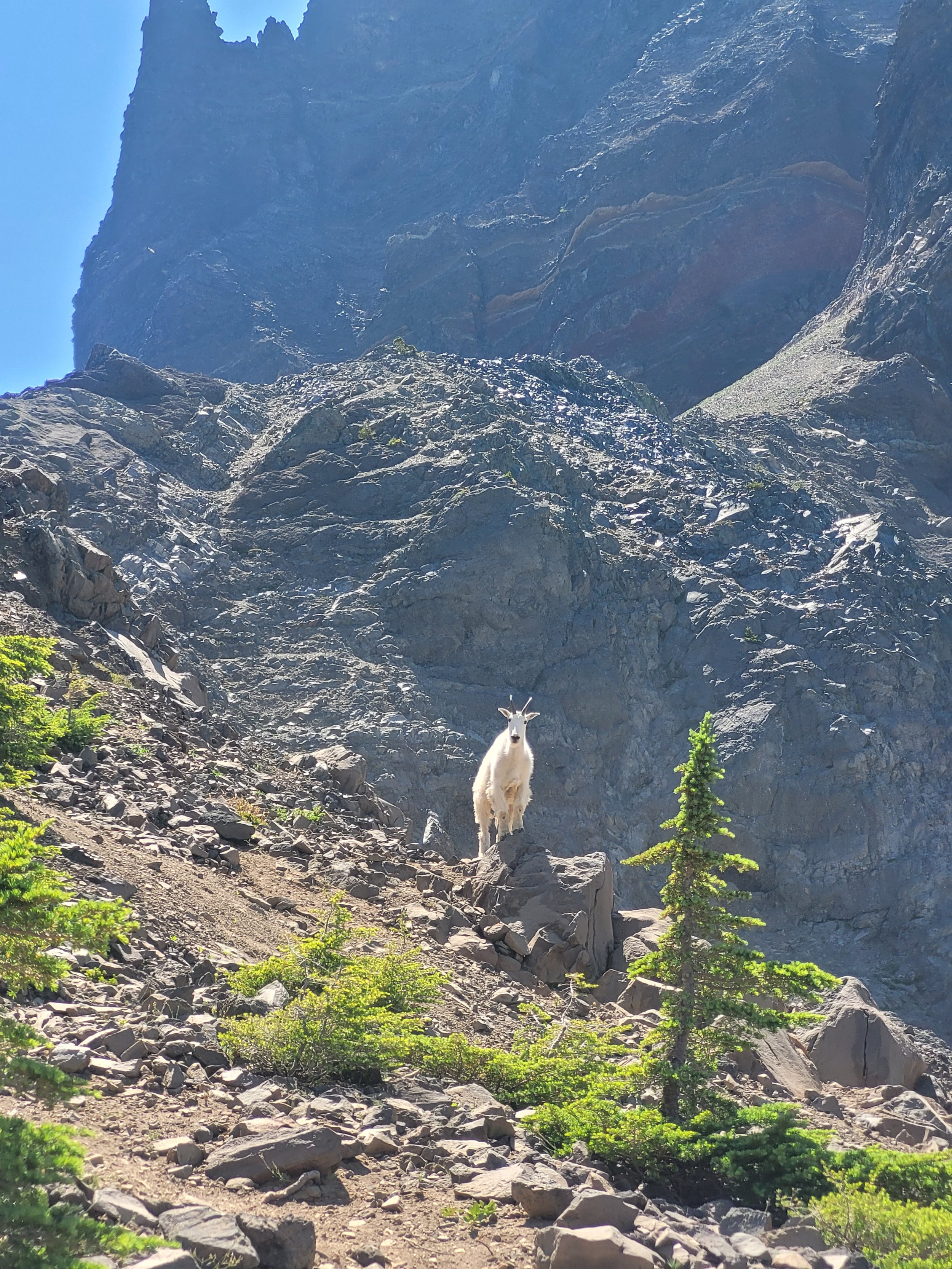
Nothing in nature lasts forever. Rivers change course. Trees fall. Seasons come and go. Fire reshapes forests. Death and renewal have always existed side by side. Nature doesn't resist change; it responds to it.
That doesn't mean every loss is beautiful.
It doesn't mean we should minimize the suffering caused by fires, floods, drought, or extreme weather. Some losses deserve our action. I also think they deserve our grief.
What if grief isn't a sign that we're too emotional or too sensitive?
What if grief is evidence that we're still in relationship?
That we still belong to this living world. That we still care. I don't think the opposite of climate grief is indifference. I think it's relationship.
Relationship asks us to pay attention. To know a place well enough that we notice when it changes. To learn the names of the birds in our neighborhood. To recognize the first wildflowers each spring. To feel grateful for the shade of a tree we've sat beneath dozens of times.
The more we know a place, the more we love it. The more we love it, the more we want to care for it. And yet, even then, we're left with uncertainty.
Maybe.
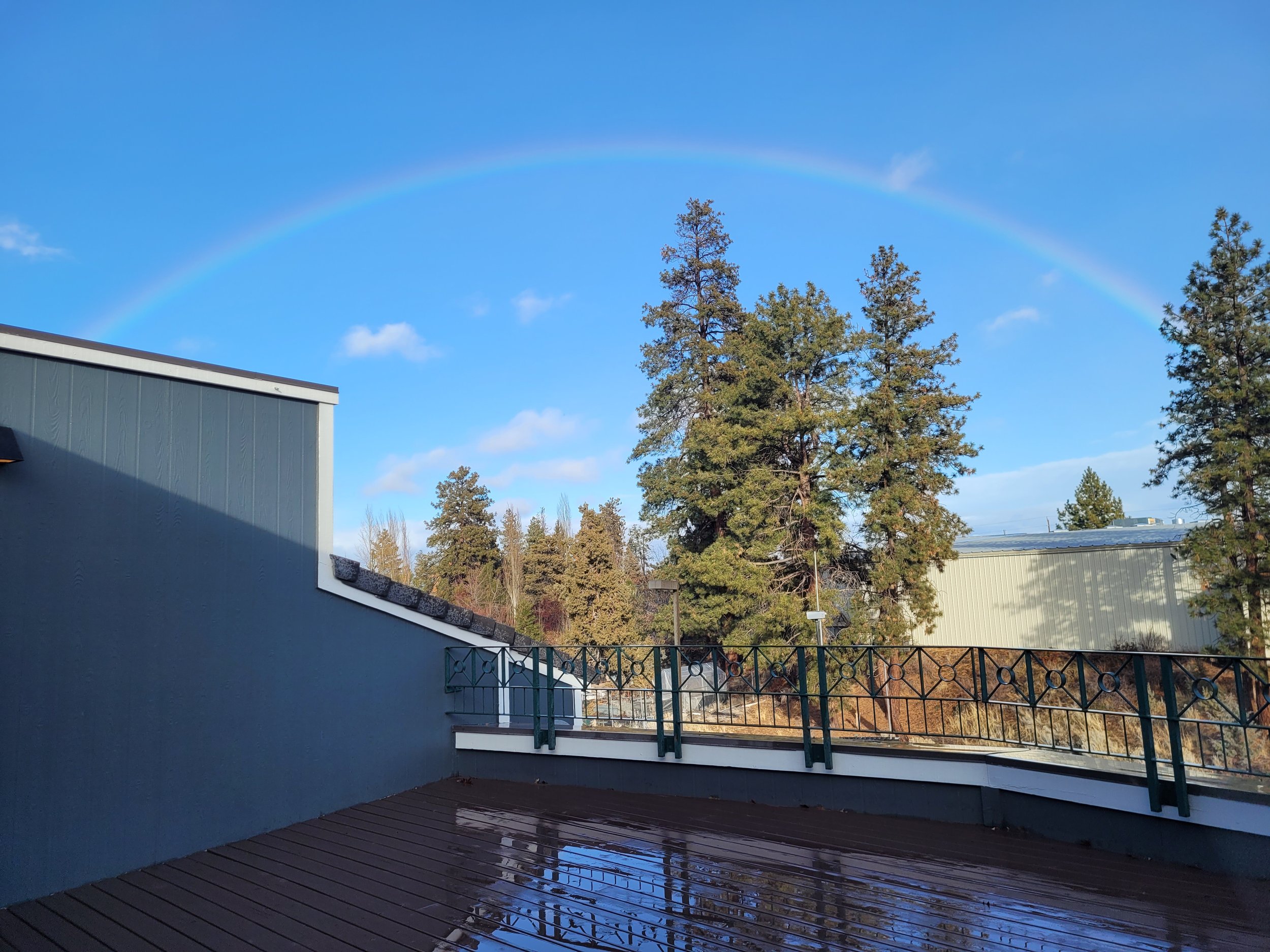
Maybe that's the invitation hidden within the old story. Not to pretend everything will work out. Not to convince ourselves that everything is falling apart. But to become a little less attached to predicting the ending.
Maybe we don't need certainty to remain engaged. Maybe we don't need guarantees to keep caring. Maybe hope isn't confidence that everything will be okay. Maybe hope is choosing to stay in relationship with this beautiful, changing world anyway. So this month, I'd like to invite you to practice one simple word.
MAYBE.
Notice the moments when your mind rushes to certainty.
"This is terrible."
"Nothing I do matters."
"Everything is going to be okay."
Instead of immediately believing the story your mind creates, see if you can pause.
MAYBE.
Not as a way of denying reality, but as a reminder that we rarely know the whole story.
Spend a little less time predicting the future and a little more time inhabiting the present. Walk outside. Learn something about the place you call home. Volunteer for a cause you care about. Plant something. Pick up litter on your favorite trail. Support the people working to protect the landscapes you love.
If you'd like companions on that journey, I've found comfort in Eckhart Tolle's The Power of Now, which gently reminds us that life is lived here, in this moment and not in the future our minds are trying to control. Tara Brach's talks on radical acceptance have also helped me remember that we can acknowledge pain without becoming consumed by it.